For decades, websites have been built to revolve around navigation: menus, pages, and forms that a person needs to figure out. But user expectations have changed. Now, people expect digital to be intuitive, proactive, and goal-driven. This is where agentic UX comes in.
Agentic UX takes websites beyond static interaction. Instead of waiting for clicks, the experience actively supports users-anticipating intent, reducing effort, and guiding outcomes. In 2026, the most effective websites will look good, but they won't just look good, and they will not load fast-they will work for the user.
From Navigation to Outcomes
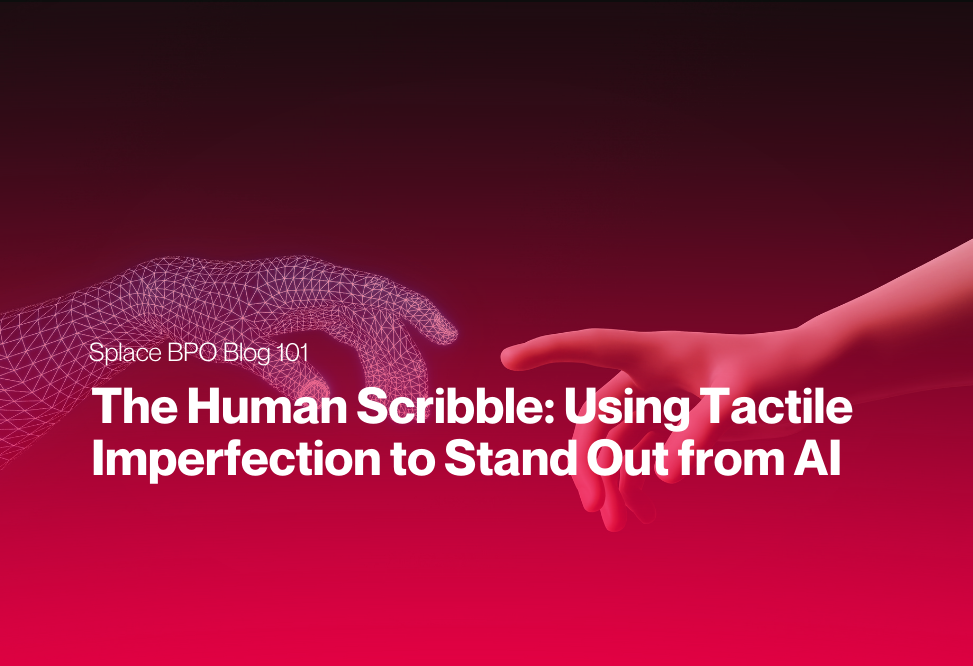
As AI content production gets faster, cleaner, and more plentiful, an unexpected trend is unfolding: perfect design is becoming the new forgettable. Everywhere, there are smooth gradients, flawless layouts, and algorithm-optimized designs. What’s hard to find is the touch of human input.
The role of “tactile imperfection” here is huge. Scribbles, irregular lines, rough surfaces, and mismatched spacing are set to be potent expressions of authenticity against a backdrop of AI dominance.
Why Perfection No Longer Feels Personal
AI is great at polish. It reduces friction, fixes inconsistencies, and improves balance. However, in these processes, it also loses character.
In a world where everything seems optimized and predictable, there’s no distinction between the designs. Flaws in a person's design, such as slight imprecise strokes or handwritten comments, can disrupt the HLS effect. Imperfection adds a personal touch to the design that perfection cannot attain.
The Psychology of Imperfection
People innately trust things that feel human. Imperfection implies effort, presence, and intention.
Tactile elements suggest:
A human being was present,
Care and time were put into the work.
Expression had more importance than optimization.
These cues will help tie the audiences at a more emotional level, especially in branding, storytelling, and user experience.
Scribbles as a Visual Language
That “scribble” is more than stylistic or even choice-it is a form of communication. It certainly suggests thinking in progress, creativity, and openness.
Thoughtfully used, hand-drawn elements can:
Draw attention without shouting
Humanize highly digital experiences
Add contrast to clean, AI-generated layouts.
The key's restraint. Imperfection works best when it feels intentional, not careless.
Conclusion:
The human scrawl is not anti-AI. it’s more of a corrective to it. As more and more experiences become digitized and automated, the imperfect, tactile mark opens up the possibility of reintroducing the human, the emotional, and the authentic. Brands with imperfection do not seem incomplete, but designed. In an era of perfect output, it could be the most powerful differentiation.
FAQS
1. Does the use of flawed design make a brand appear unprofessional?
Rather, not when it is intentional. Thoughtful imperfection has character and does not lack clarity or quality.
2. Where does tactile imperfection work best?
It’s particularly useful in the fields of branding, visual marketing, editorial design, or digital experiences meant to be personal or expressive.
3. AI – can it still be compatible with human fallibility?
Absolutely. AI handles structure and efficiency easily, whereas the human aspect adds the emotion that keeps things from being just another face in the crowd
About Splace BPO
Splace BPO empowers brands by providing offshore professionals who are not only highly skilled but also trained to excel in an AI-driven business landscape. By combining human expertise with future-ready capabilities, we help businesses scale smarter, adapt faster, and stay competitive in a rapidly evolving market.
📧 info@splacebpo.com
🌐 www.splacebpo.com