
Philippine BPO Seat Leasing vs. Remote Work: What Scales Better
Philippine offshore teams are no longer organized around a single model. Some companies run their Filipino workforce entirely from managed BPO facilities. Othe…

How to Run Philippine Payroll Compliantly Without a Local Entity
Hiring Filipino workers is fast and cost-effective. The compliance obligations that attach the moment an employment relationship begins are neither. Philippine…

Why Global Talent Shortages Are Pushing Companies to Philippine BPO
Western companies in FinTech, HealthTech, and E-commerce are facing a problem that won't resolve itself in the next hiring cycle. Labor costs are rising. Quali…

Back-Office Outsourcing to the Philippines: A Practical Guide
Most operations leaders outsource customer support first. It's the visible problem — queues, response times, CSAT scores. Back-office functions are different.…

What Philippine Labor Law Means for Your US Payroll Setup
US founders hiring in the Philippines often carry the same assumptions they'd apply to domestic hiring: flexible arrangements, contractor-friendly structures,…

How to Vet a Philippine BPO Before You Sign Anything
Most Philippine BPO contracts are signed on the strength of a sales deck. The compliance documents come later — if they come at all. That pattern is how buyers…

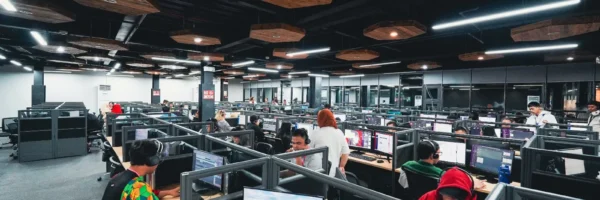
Plug-and-Play Offices in Davao: What Seat Leasing Includes
Sourcing furniture, negotiating ISP contracts, procuring IT hardware, and assembling compliance documentation separately — operators who go that route typicall…

Philippine BPO Cost Per Seat: What You Actually Pay in 2025
Most cost estimates for Philippine BPO seats are wrong — not because providers are dishonest, but because they quote labor and stop there. Mandatory benefits,…
Harold Ladaran: Leading Splace BPO From Davao to Global Scale
Harold Rey Ladaran did not build Splace BPO in Davao City by accident. The choice was deliberate — a founder-level decision about where to root an operation, a…

How to Hire a Philippine VA Without Losing IP Control
Founders hire a Filipino VA, hand over system access, and never put enforceable IP controls in place — not because they are careless, but because they assume t…
No articles found in this category yet.