
How to Scale a Philippine Support Team From 5 to 50 FTE
Scaling a Philippine support team from 5 to 50 FTE is not a straight line. It is a series of distinct operational jumps, each one demanding a different complia…

FinTech Outsourcing to the Philippines: A Compliance-First Guide
FinTech companies are expanding offshore faster than their compliance frameworks can keep up. The pressure to reduce operational costs, access specialized tale…

Finance Operations Outsourcing to the Philippines: A 2025 Guide
AP backlogs do not fix themselves. Reconciliation exceptions pile up overnight. Payroll errors surface on the day they matter most. For VPs of Finance Ops, Con…

Philippine BPO Cost Breakdown: What You Actually Pay in 2025
Every outsourcing pitch deck leads with the same line: save up to 70% on labor costs. Almost none of them show the math. No salary benchmarks. No statutory con…

Philippine BPO Seat Leasing vs. Remote Work: What Scales Better
Philippine offshore teams are no longer organized around a single model. Some companies run their Filipino workforce entirely from managed BPO facilities. Othe…

How to Run Philippine Payroll Compliantly Without a Local Entity
Hiring Filipino workers is fast and cost-effective. The compliance obligations that attach the moment an employment relationship begins are neither. Philippine…

What Philippine Labor Law Means for Your US Payroll Setup
US founders hiring in the Philippines often carry the same assumptions they'd apply to domestic hiring: flexible arrangements, contractor-friendly structures,…

How to Vet a Philippine BPO Before You Sign Anything
Most Philippine BPO contracts are signed on the strength of a sales deck. The compliance documents come later — if they come at all. That pattern is how buyers…

Philippine BPO Cost Per Seat: What You Actually Pay in 2025
Most cost estimates for Philippine BPO seats are wrong — not because providers are dishonest, but because they quote labor and stop there. Mandatory benefits,…
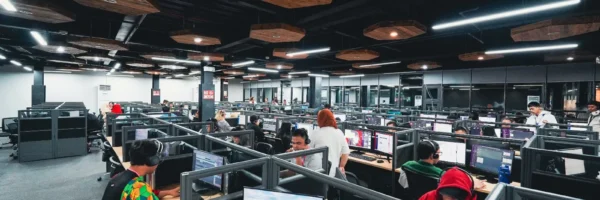
Harold Ladaran: Leading Splace BPO From Davao to Global Scale
Harold Rey Ladaran did not build Splace BPO in Davao City by accident. The choice was deliberate — a founder-level decision about where to root an operation, a…
No articles found in this category yet.